

 By
By Introduction: Why Recycling Must Become Smarter
Across the world, waste generation is increasing at an alarming rate. Urban expansion, population growth, and consumer habits have created a situation where landfills are overflowing and natural ecosystems are being damaged by plastic, metal, and chemical waste. Traditional waste disposal methods are no longer enough to manage this growing problem.
Recycling was introduced as a solution, but many existing systems remain inefficient due to poor waste separation, contamination, and limited processing capacity. This is where MataRecycler emerges as a modern, smarter approach to recycling. Rather than treating waste as something to discard, it focuses on transforming materials into reusable resources that support sustainability and environmental protection.
MataRecycler represents a shift toward organized, technology-driven recycling systems that align with the principles of the circular economy. By improving how waste is handled at every stage, it helps communities, businesses, and industries reduce pollution while making better use of valuable materials.
Understanding MataRecycler and Its Purpose
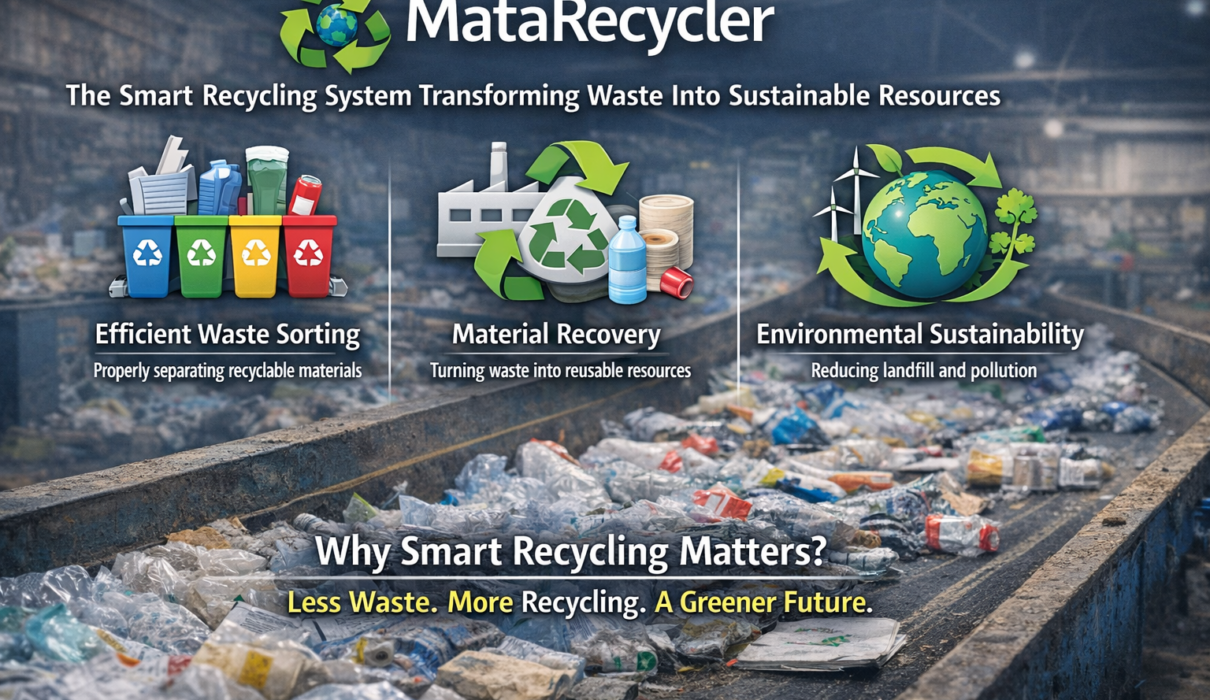
MataRecycler is a structured recycling platform designed to optimize the collection, sorting, and processing of recyclable materials. Its primary goal is to reduce waste sent to landfills by ensuring that recoverable materials are properly separated and reused.
At its foundation, MataRecycler promotes waste segregation at the source. This means separating plastics, paper, metals, glass, and organic waste before they are mixed together. When materials remain clean and sorted, recycling facilities can process them more efficiently, producing higher-quality recycled products.
The platform also supports streamlined waste management workflows that reduce contamination, increase recovery rates, and improve environmental outcomes. This organized approach transforms recycling from a basic disposal practice into a resource management system.
The Environmental Effects of Bad Recycling
A lot of people think that putting trash in a recycling container will automatically make it usable again. In actuality, a lot of recyclable waste is thrown away because it has food residue, mixed materials, or was not sorted correctly. The goal of recycling is to keep these rejected items out of landfills, which is what happens.
Landfills release a lot of greenhouse gases, especially methane, which is far worse for the environment than carbon dioxide. Also, chemicals and plastics leak into the ground and water, which is bad for people and animals.
MataRecycler solves these difficulties by focusing on clean waste streams and effective processing of materials. It lessens pollution and burden on landfills by increasing the amount of garbage that is actually recycled.
How MataRecycler Helps the Circular Economy
The goal of the circular economy is to make as little waste as possible and keep things in use all the time. This strategy promotes reuse, recycling, and regeneration instead of making, using, and throwing away things.
MataRecycler is an important part of this system since it saves materials that would otherwise be lost. Plastics are turned into new packaging, metals are cleaned up for use in manufacturing, paper is turned into new pulp, and glass can be used again and again.
This closed-loop method cuts down on the need to get new raw materials, saves energy, and lowers the cost of making things. It builds a more stable economy over time that helps both the environment and businesses.
| Benefit | Impact |
|---|---|
| Cleaner environment | Less landfill waste |
| Energy saving | Recycling uses less energy than new production |
| Resource conservation | Protects natural materials |
| Economic value | Recovered materials can be reused |
Key Materials That Smart Recycling Systems Handle
Modern recycling platforms can handle many different types of materials, and each one has its own way of being recycled. Plastic is categorised by type and then melted down so that it can be used to make new things. Aluminium and steel are cleansed and refined, and they keep their quality even after being recycled many times. Pulping paper products turns them into fresh sheets, and crushing and reshaping glass keeps its strength.
You can also turn organic trash into compost or bioenergy, which helps the soil and makes energy that can be used again. MataRecycler gets the most out of each material stream and produces the least amount of waste.
| Material Type | Examples |
|---|---|
| Plastic | Bottles, containers, packaging |
| Paper | Newspapers, cartons, office paper |
| Metal | Aluminum cans, steel items |
| Glass | Bottles and jars |
| Organic waste | Compostable materials |
Real-World Benefits for Communities and Businesses
Communities that adopt structured recycling systems often experience cleaner neighborhoods, reduced landfill costs, and increased environmental awareness. Waste collection becomes more efficient, and recycling facilities receive higher-quality materials.
For businesses, improved recycling lowers waste management expenses, supports sustainability goals, and enhances brand reputation. Many companies now prioritize eco-friendly practices, and participating in smart recycling initiatives can improve compliance with environmental regulations.
Industries that rely on recycled materials also benefit from a steady supply of high-quality resources, reducing production costs and environmental impact.
Common Recycling Challenges and How MataRecycler Solves Them
A serious challenge in modern recycling is keeping recyclable waste clean and separated. When food waste, liquids, or non-recyclable items mix with recyclable materials, entire batches may be rejected. Another challenge is lack of public awareness about proper waste sorting.
MataRecycler helps overcome these issues by promoting clear waste separation guidelines, organized collection systems, and improved processing technologies. Education initiatives and structured workflows ensure that recyclables remain clean and usable.
By addressing these common obstacles, the platform increases recycling efficiency and long-term sustainability.
Practical Steps to Participate in Smarter Recycling
Individuals and organizations can contribute to effective recycling by adopting simple habits. Separating waste into appropriate bins, rinsing containers, and avoiding mixing non-recyclable items with recyclables can dramatically improve recycling outcomes.
Supporting recycling programs, encouraging workplace sustainability policies, and educating communities about proper waste handling also play an important role. When many people follow these practices, the collective environmental impact becomes substantial.
Common Recycling Myths
| Myth | Reality |
|---|---|
| Recycling doesn’t help | It saves resources and energy |
| All waste can be mixed | Sorting is essential |
| Recycling is expensive | It reduces long-term costs |
| One person doesn’t matter | Every action counts |
Conclusion
MataRecycler represents a new generation of recycling systems that prioritize efficiency, sustainability, and environmental responsibility. By improving waste segregation, enhancing material recovery, and supporting the circular economy, it transforms waste into valuable resources instead of environmental problems.
As global waste continues to grow, adopting smarter recycling solutions like MataRecycler is essential for creating cleaner cities, healthier ecosystems, and a more sustainable future.
Frequently Asked Questions
What is MataRecycler and why is it important?
MataRecycler is a smart recycling platform that improves waste sorting and material recovery, helping reduce landfill waste and support sustainability.
How does smart recycling differ from traditional recycling?
Smart recycling focuses on clean material streams, efficient processing, and higher recovery rates, making recycling more effective and environmentally friendly.
Which materials can be recycled effectively?
Plastics, metals, paper, glass, and some organic waste materials can be processed through structured recycling systems.
Does recycling really reduce pollution?
Yes, recycling lowers landfill waste, saves energy, reduces greenhouse gas emissions, and conserves natural resources.
Why is waste segregation necessary?
Proper segregation prevents contamination and ensures materials can be recycled efficiently.