

 By
By In today’s fast-paced digital world, URLs are more than just addresses to web pages—they’re an essential part of your online presence. Whether you’re a digital marketer, content creator, or just someone who frequently shares links online, understanding Which of the Following is True of Compressed URLs and their impact is vital for enhancing user experience and SEO performance.
Here we going, to explore everything you need to know about compressed URLs, including their benefits, how they impact SEO, common misconceptions, and how to use them to your advantage. We use the same strategy for our SEO projects and we are amazed to tell you that it really works.
What is a Compressed URL?
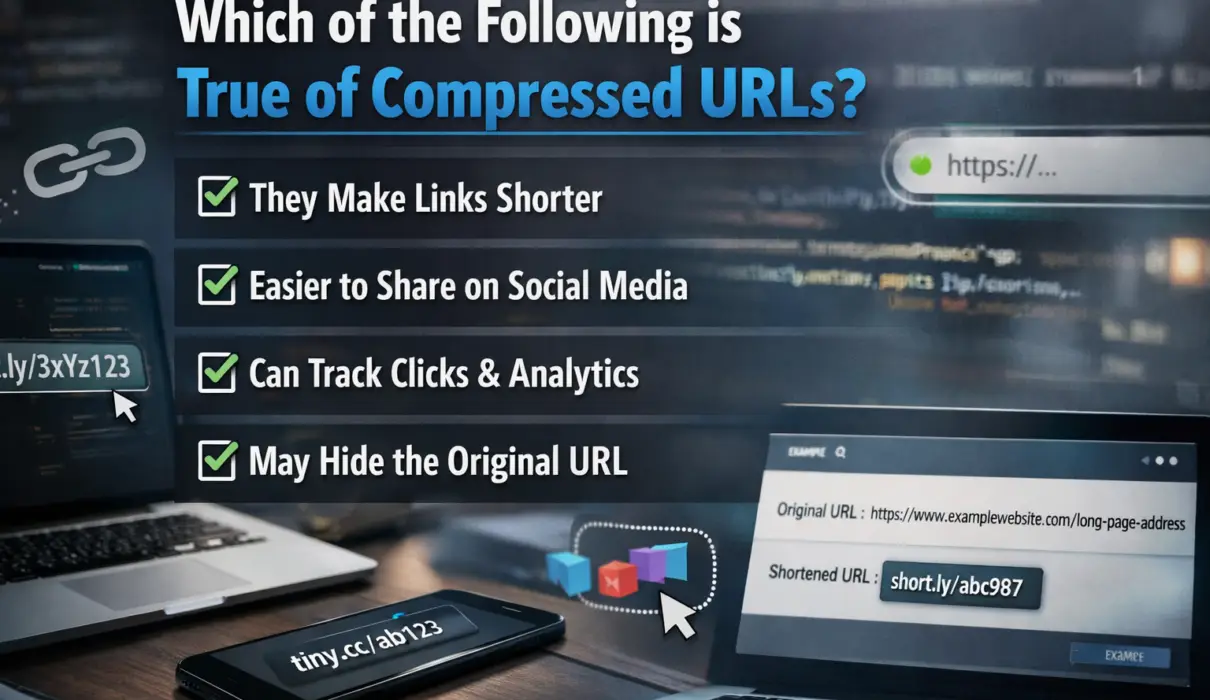
A compressed URL, also known as a shortened URL, is a concise version of a standard URL. The main purpose of this shortening process is to simplify long, cumbersome links, making them easier to share across various platforms, especially those with character limits, like Twitter.
Compressed URLs are often created using URL shortening services such as:
- Bitly
- TinyURL
- Google’s former URL Shortener (now discontinued)
These tools essentially create a shortened version of a web address that redirects to the original, lengthy URL, improving readability, ease of sharing, and trackability.
Why Are Compressed URLs Important?
As digital communication continues to evolve, the need for efficiency and clarity increases. Compressed URLs provide a way to make links more user-friendly, which is crucial for the following reasons:
- Aesthetic Appeal: Long, complex URLs often look messy and untrustworthy, especially in social media posts or emails. Compressed URLs are clean, sleek, and more appealing to users.
- Character Limitation: On platforms like Twitter, where you’re limited by character count, a short URL allows you to make the most of your message without exceeding the limit.
- Trackability: When you shorten a URL, you often gain access to useful metrics, such as the number of clicks, the geographical location of users, and more. This makes compressed URLs an essential tool for tracking the success of marketing campaigns.
Benefits of Compressed URLs
Understanding the true value of compressed URLs goes beyond just shortening links. Let’s explore the core benefits of using them.
1. Enhanced User Experience
Long URLs can be intimidating and difficult to read, especially when shared on platforms with limited space. A URL that looks cluttered or confusing might discourage users from clicking on it. By using compressed URLs, you create a cleaner, simpler link that is more likely to be trusted by users and clicked on.
2. Improved Click-Through Rates (CTR)
The simpler and more trustworthy a URL looks, the more likely users are to click on it. In fact, studies show that shortened URLs often lead to higher click-through rates because users are more comfortable engaging with a link that’s easy to share and remember.
3. Trackable Analytics
One of the biggest advantages of using compressed URLs is the ability to track their performance. URL shortening services, such as Bitly, provide detailed analytics that can show you how many times the link was clicked, where the clicks originated, and which platforms were the most successful for your link.
4. Space Efficiency
When posting on social media or creating QR codes, the available space is often limited. A long URL filled with query parameters (e.g., ?id=123&ref=xyz) can take up valuable space. By compressing the URL, you save space and ensure your message isn’t cut off or too cluttered.
5. Branding and Customization
Many URL shortening services allow you to customize your compressed URLs, making them more recognizable and branded. For example, instead of using a generic short URL, you can create one that includes your brand name or a relevant keyword, enhancing your brand identity.
Addressing Misconceptions Regarding Compressed URLs
URL compression, with its multiple advantages, still has some misconceptions that need to be clarified. Let us tackle the most prevalent misconceptions.
Misconception 1: Compressed URLs Are Always Safe to Click
Even though it can be said that a generic compressed URL is ‘safe’, it can still link to a dangerous website. Cybercriminals also take advantage of suppressed URLs to flood with malicious websites. Use URL compression with caution, and ensure you have a trustworthy source of the compressed URL.
Misconception 2: Compressed URLs Harm Your SEO
The majority of website owners believe that compressed URLs may bring damage to their site’s SEO. Thankfully, that is never the case. When URL shorteners like TinyURL, Bitly, and others are used, the short link will still redirect to the longer URL, and virtually all search engine optimization (SEO) value, including PageRank, from the original URL will be passed along.
Myth #3: Shorten URLs Are Beneficials For Social Media
While it is true that shortened URLs can have a positive effect on social media platforms that have character count restrictions (like Twitter), they also have a positive effect on several other applications. For example, shortened URLs improve email marketing, QR codes, and SMS marketing. In fact, subscribers of email marketing campaigns are more likely to click on a shortened URL than on a long, more complicated URL.
The Effects of Compressed URLs on SEO
Earlier, I explained the misconception that the compression of URLs could negatively impact SEO. We will begin to elaborate on the misconceptions about the compression of URLs.
1. SEO and URL Shorteners
When URL shortening services create compressed URLs, they typically create a 301 redirect to the original long URL. One of the primary functions of a 301 redirect is to tell search engines like Google that a URL has been moved permanently, and that they should transfer the SEO value from the original to the newly compressed URL. Therefore, the SEO value of the original URL is preserved.
2. URL Shorteners and Metrics
There is value in the tracking data that URL shortening services provide. This data has value for SEO, as it allows you insight into the performance of your links across multiple channels. Because of this, you are able to make adjustments to your performance using real-time data. These types of URL tracking allow you to improve the effectiveness of your marketing campaigns.
3. Better Metrics for User Engagement
Because they keep the interface tidy, users are often more engaged with shortened URLs, improving overall click-through rates. While Google is opaque with its algorithms, the tech giant is known to prioritize engagement as a quality metric for its pages. Thus, the more a shortened URL is shared and clicked, the better the SEO the webpage will attain.
Step-by-Step Guide: How to Create a Compressed URL
Step 1: Choose a URL Shortening Service
Select a URL shortening service like Bitly, TinyURL, or Rebrandly. These platforms are user-friendly and allow you to create a custom short URL.
Step 2: Paste Your Long URL
Copy and paste the URL you want to shorten into the appropriate field on the URL shortener’s website.
Step 3: Customize (Optional)
Some services allow you to customize the URL. For instance, instead of using a generic shortened URL, you could create one that includes your brand name, such as bit.ly/YourBrandName.
Step 4: Generate and Share
Once you’re satisfied with the URL, click the button to generate your shortened link. You can now share it on social media, in emails, or anywhere else you need to provide a clean, concise link.
Frequently Asked Questions (FAQs)
1. Are compressed URLs secure?
Compressed URLs themselves are not inherently dangerous, but they can be used to disguise malicious websites. Always verify the source before clicking on shortened links.
2. Do compressed URLs affect SEO?
No, compressed URLs do not negatively affect SEO. As long as the URL shortening service uses a 301 redirect, the SEO value of the original URL is preserved.
3. Can I track the performance of a compressed URL?
Yes, URL shortening services often provide analytics tools that allow you to track the performance of your links, such as click-through rates, user location, and device type.
4. Can I create a custom compressed URL?
Yes, many URL shortening services allow you to customize the URL to make it branded and more relevant to your audience.
Conclusion
Compressed URLs are more than just a tool for shortening long, complex links. They provide valuable benefits for SEO, user engagement, and marketing performance. By understanding their advantages, dispelling myths, and using them strategically, you can improve your content sharing efforts and enhance your digital presence.